§01
NYS DOL Article 32 in plain English
Article 32 of the New York Labor Law (effective January 2018) created two distinct state-licensed roles for mold work: Mold Assessors (the testers) and Mold Remediation Contractors (the removers). The law mandates that these two roles be performed by different parties. A single firm cannot both assess and remediate. Mold Assessor licensure requires 40 hours of approved training + exam + continuing education + insurance + bond. Mold Remediation Contractor licensure has similar requirements. Both licenses are issued by the NYS Department of Labor.
§02
Why Article 32 separation matters
The separation-of-roles requirement directly addresses the conflict of interest that exists when a remediation contractor performs the assessment that determines whether remediation work is needed. A contractor who performs assessment has financial incentive to find more work; a contractor who performs remediation has financial incentive to maximize scope. NY's framework requires the assessor to be independent of the remediator. The assessor's report drives the scope, and a different (separately-retained) remediator performs the work.
§03
Pennsylvania has no equivalent. Practical consequences
Pennsylvania has no state-issued mold inspector or remediator licensure. Anyone in PA can call themselves a 'mold inspector' or 'mold remediator' without any specific credentialing requirement. This produces wide variance in quality: legitimate PA practitioners are credentialed through trade associations (NORMI, IICRC, AIHA, IAC2) and use AIHA-accredited labs; less-legitimate practitioners may perform visual-only assessments with no lab analysis or bundle assessment + remediation under the same firm without disclosure of the conflict of interest.
§04
What to ask when retaining a PA mold inspector
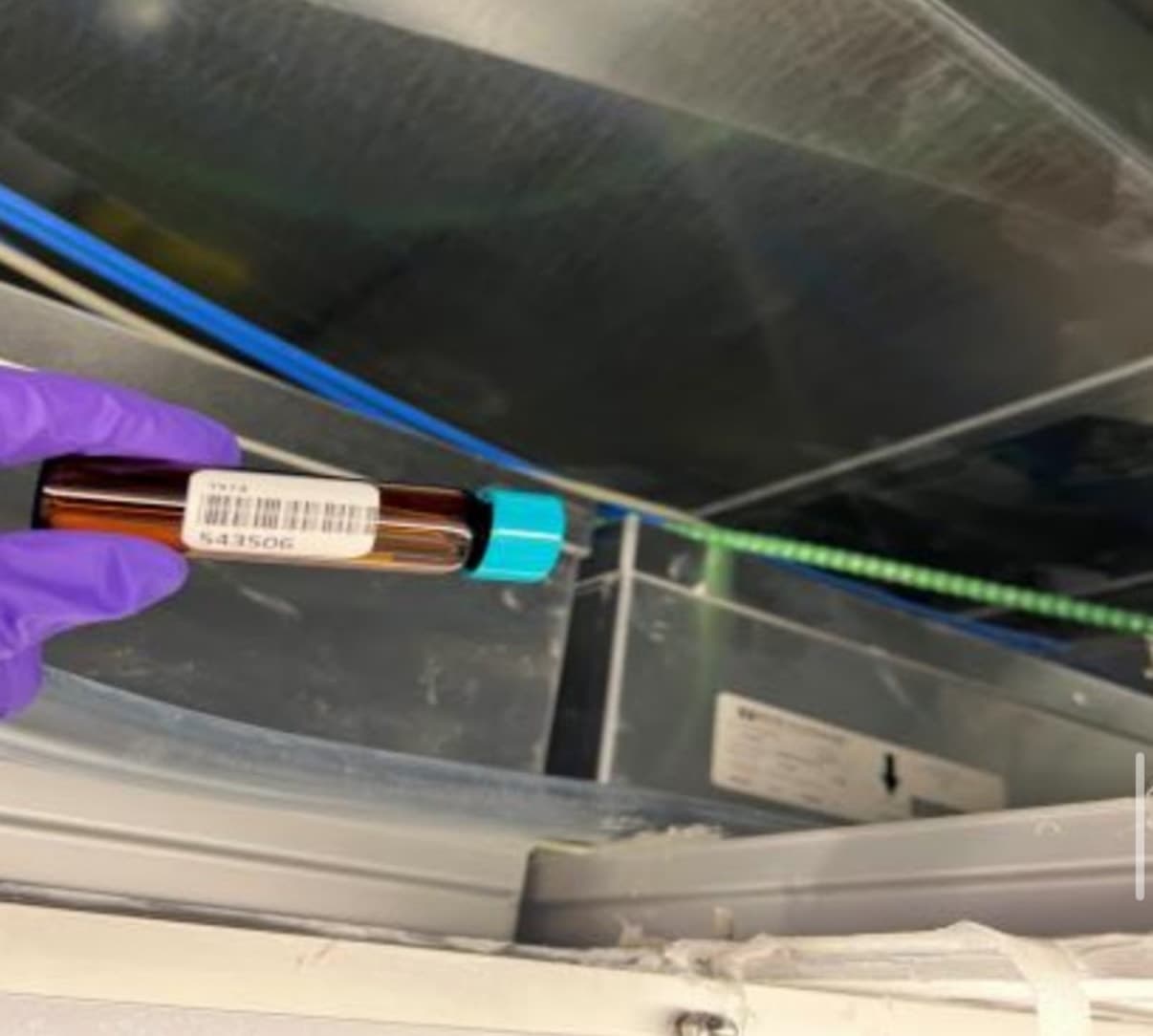
Without state licensure to filter on, PA property owners should ask: (1) Does the inspector use an independent AIHA-accredited laboratory for sample analysis? (2) Does the inspector perform remediation themselves, or do they refer to independent remediators? (3) What trade-association credentials does the inspector hold (NORMI Certified Mold Inspector, IICRC Certified Mold Remediation specialist, AIHA member)? (4) Will the inspector provide chain-of-custody documentation? (5) Does the inspector carry liability insurance specifically for environmental work?
§05
Cross-state work. Applying NY discipline in PA engagements
Environmental firms operating in both NY and PA typically apply NY's Article 32 discipline to their PA work as well. Even though PA doesn't require it. This means: independent of remediation, AIHA-accredited lab partnerships, chain-of-custody on every sample, written reports with regulatory benchmarks. PA property owners benefit from working with firms that apply NY-grade discipline regardless of where they're located.