

Location · Erie County · NY
Environmental services in Buffalo.
Second-largest city in New York and our largest service market in Western NY. Dense pre-1978 housing stock + lake-effect humidity = significant mold + asbestos workload. Same-week response from our Orchard Park office. Population approx. 278,000.
Coordinates
42.89°N
78.88°W
County
Erie
Population
278,000
Response
≤ 48hr
Services in Buffalo
Most requested in this area.
Full library available across all coverage. Below: the services we field most often in Buffalo and surrounding Erie County.
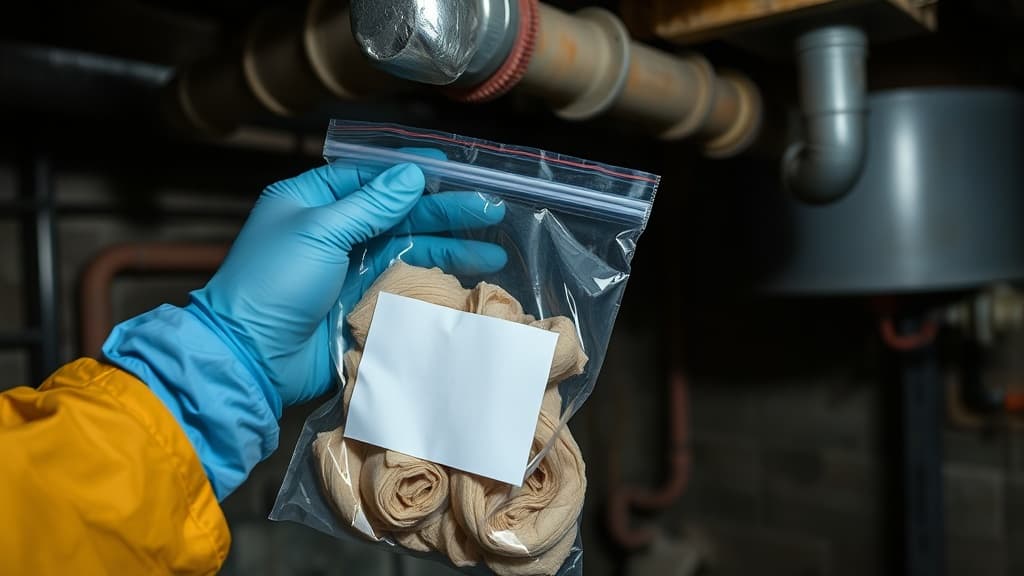
Asbestos Testing
NYS-certified asbestos surveys for homes, schools, and commercial buildings.
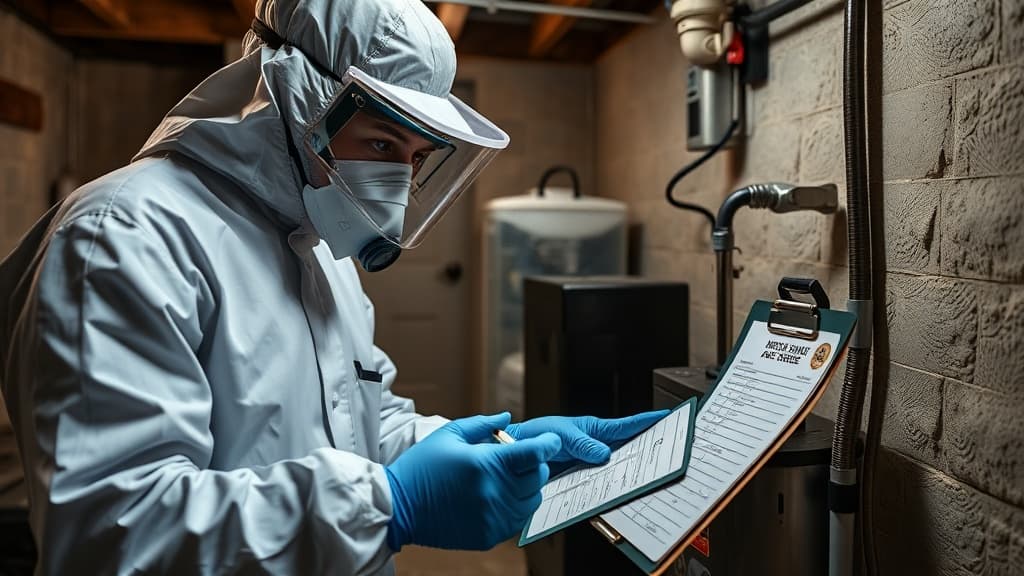
Mold Testing & Assessment
Air, surface, and bulk mold sampling with moisture mapping and contractor scope of work.
Radon & VOC Testing
Short-term and long-term radon plus VOC speciation.
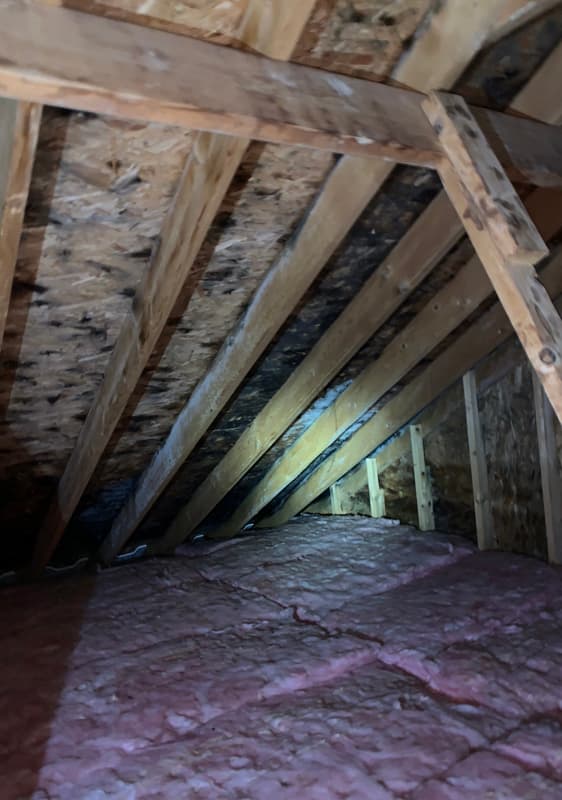
Lead Paint Testing
XRF and dust-wipe testing for homes built before 1978.
Indoor Air Quality Testing
Comprehensive IAQ panels for residential and commercial spaces.
Soil Testing
Targeted soil analysis for heavy metals, petroleum and pesticides.
Local conditions
Why Buffalo tests the way we test it
Buffalo, NY sits at the eastern end of Lake Erie in a microclimate defined by lake-effect snow accumulation, extended heating seasons, and dense pre-1978 housing stock that dominates nearly every residential neighborhood. From October through April, the city experiences sustained outdoor humidity in the 70-85% range with frequent freeze-thaw cycles that exercise basement foundations and produce the moisture-management failures that drive most of our local testing workload. The housing inventory itself is a major environmental signal. The 1880-1940 construction concentrated in Allentown, Elmwood Village, North Buffalo, and parts of South Buffalo was built before modern damp-proofing of foundations was standard practice; many of these homes have stone or rubble foundations with no exterior membrane. The 1940-1970 ranch and Cape stock spread across Cheektowaga, West Seneca, Tonawanda, and Lackawanna typically includes asbestos-presumed materials at AHERA scale. Vermiculite attic insulation (commonly Zonolite brand), 9-inch and 12-inch vinyl asbestos floor tile with chrysotile-bearing mastic, pipe wrap insulation around hot-water heating runs, and joint compound on textured drywall. Industrial history adds another environmental dimension to commercial real-estate transactions. The Lovejoy, Black Rock, Fillmore-Leroy, and South Buffalo neighborhoods contain extensive historical concentrations of dry-cleaner operations, machine shops, gas stations, and small-scale manufacturing that pre-date NY DEC Spills Database recordkeeping. These create Recognized Environmental Conditions (RECs) on Phase I Environmental Site Assessments that often surprise buyers. Tetrachloroethylene (PCE) migration from former dry cleaners is the most common, followed by petroleum hydrocarbons from former underground storage tanks. We routinely identify RECs on commercial parcels where the current owner-of-record has no knowledge of the pre-1990 tenant operations. Lake-effect snow + extended heating season + dense pre-1978 housing + industrial historical concentration = a market where environmental testing isn't optional for serious real-estate, lender, or remediation work.
By neighborhood
The Buffalo testing profile, block by block
What we see in the field varies neighborhood to neighborhood. Each district has its own housing-era pattern, environmental concerns, and typical testing workflow.
Elmwood Village + North Buffalo
These pre-1940 construction-dense neighborhoods present a consistent testing profile: pre-1978 lead paint disclosure required for transactions, stone foundation moisture management issues driving chronic basement mold, and pre-1989 asbestos materials likely on any renovation. Mold testing demand here is heavily transaction-driven (springtime closings on heritage homes) and litigation-driven (tenant habitability claims on rental conversions of single-family homes).
Cheektowaga + West Seneca + Lackawanna
1950-1970 ranch and Cape construction with full asbestos-era material inventory. Pre-renovation asbestos testing is mandatory before any kitchen remodel, basement finishing, or roofing project that disturbs vermiculite or pipe wrap. Radon testing demand has risen significantly as Erie County homebuyers increasingly request it during real-estate inspections.
Tonawanda + Riverside + Black Rock
Industrial-era construction with significant pipe-insulation and boiler-room asbestos workload. Commercial parcels here routinely require Phase I ESA progression to Phase II for confirmed soil contamination. Particularly former gas station, machine shop, and metalworking sites. Tonawanda residential housing stock includes substantial Zonolite vermiculite attic inventory installed during the 1970s.
Amherst + Williamsville + Clarence
Mixed-era suburban with concentrated 1970-1990 construction. Vermiculite attic insulation peaks here, Zonolite was distributed broadly through Buffalo-area home centers in the late 1960s and 1970s, and Amherst's housing boom occurred during exactly that period. Radon testing demand is high because Amherst soil composition produces consistent EPA Zone-2 elevated indoor radon readings on closed-house testing.
Regulatory framework
How the rules work here
Buffalo testing operates within New York State's distinctive regulatory framework. NYS Department of Labor Article 32 (effective January 2018) requires separate licensure for mold assessors and mold remediation contractors, and prohibits a single firm from performing both roles. Our work follows that separation, we do not perform remediation. NYS Industrial Code Rule 56 governs asbestos handling. All asbestos abatement requires licensed contractors, and pre-abatement testing requires licensed asbestos inspectors using AHERA-compliant sampling protocols. Erie County Department of Health publishes environmental health guidance on mold, moisture, and indoor air quality but does not enforce a county-level licensure layer separate from the state framework. NY Real Property Law §235-b establishes the implied warranty of habitability that drives most tenant-mold habitability claims into Erie County Housing Court. NY RPL §462 requires property condition disclosure on residential sales, including known environmental conditions. For Phase I Environmental Site Assessments, NYSDEC Spills Incident Database and NYSDEC TAGM 4046 environmental site assessment guidance are the primary state-side references alongside the federal ASTM E1527-21 standard. NYS Brownfield Cleanup Program (NYSDEC) provides incentive structures for buyers acquiring parcels with documented contamination.
Lender context
What local banks accept
Buffalo commercial and residential real estate transactions concentrate around a regional lender base with consistent environmental testing requirements. M&T Bank's commercial lending team (headquartered in Buffalo) typically requires Phase I ESA on commercial loans above $1M, with the Phase I executed against ASTM E1527-21 and AAI-compliant Environmental Professional qualifications. KeyBank (which absorbed First Niagara's Buffalo portfolio) follows a similar threshold. Northwest Bank and Evans Bank (more residential-focused) accept third-party mold and asbestos testing for closing files when formatted with regulatory benchmarks, AIHA-accredited lab identification, and inspector license number. For FHA-insured residential loans, lenders enforce the federal Title X lead paint disclosure on pre-1978 housing and accept radon documentation per EPA short-term protocol. Most regional credit unions follow conventional GSE underwriting guidelines without imposing additional environmental requirements beyond appraiser-flagged conditions.
Real-estate dynamics
Buffalo’s transaction calendar
Buffalo's real estate market generates consistent environmental testing demand. The Buffalo Niagara Association of Realtors (BNAR) reports approximately 12,000-14,000 annual residential transactions in the metropolitan area, with a significant share concentrated in the spring closing season (April-August). Pre-purchase mold testing requests peak in March-May as buyers under contract for spring closings discover basement moisture history during walkthroughs. Pre-renovation asbestos surveys peak in summer (June-September) when homeowners undertake basement finishing, kitchen renovations, and attic conversions on their newly-purchased pre-1989 properties. Commercial real estate transactions through Buffalo brokerages produce steady Phase I ESA volume. The city's commercial inventory of converted industrial-era buildings, mixed-use redevelopment projects (Larkinville, Hertel Ave commercial strip, Allentown adaptive reuse), and small-scale industrial sales all carry environmental due-diligence obligations. Rental and multi-family market dynamics produce a parallel landlord-tenant testing workload. The University at Buffalo south campus rental concentration, Allentown apartment market, and broad Buffalo single-family rental conversion market generate habitability claims that require independent mold or asbestos documentation for housing court proceedings.
Service-specific notes
What each service looks like in Buffalo
Mold Testing
Pre-1940 stone foundation moisture is the dominant Buffalo mold profile. Spring transaction testing peaks April-May; tenant-habitability testing distributed across the year.
Asbestos Testing
Vermiculite attic insulation (Zonolite brand) and 9-inch VAT + mastic dominate pre-renovation testing. AHERA-compliant PLM + TEM via NVLAP labs. Bundle with mold testing for transaction-stage closings.
Radon Testing
Erie County NY is EPA Zone 2 (moderate); Amherst and Clarence soil composition often produces Zone-1-equivalent indoor readings. 48-hour continuous monitor protocol.
Indoor Air Quality
Post-renovation off-gassing and chronic-symptom homeowner testing dominate IAQ workload. ASHRAE 62.1 + ATSDR MRL benchmarks.
Phase I ESA
Lovejoy, Black Rock, Fillmore-Leroy commercial parcels routinely surface RECs from pre-1990 dry-cleaner and machine-shop operations not in NYSDEC Spills Database. ASTM E1527-21 standard.
Water Damage Restoration
Ice-dam interior wall water-intrusion drives much of our winter restoration workload, often produces secondary mold growth detectable at 14-21 days post-event.
A typical engagement
What a Buffalo job looks like
A representative Buffalo transaction-stage engagement: buyer under contract for a 1957-construction Elmwood Village two-story single-family. Contract closing date 21 days from contract signature. Mold and asbestos testing required per buyer's contingency + lender's pre-1978 lead disclosure requirement. We schedule combined site visit Day 4 post-contract: spore-trap air sampling at four indoor locations + outdoor baseline, surface tape-lift sampling at one basement visible-growth spot, AHERA bulk samples for vermiculite attic insulation (3 samples), 9-inch floor tile + mastic (2 samples), pipe wrap insulation (1 sample), and textured drywall joint compound (1 sample). Combined samples ship same-day to EMSL Analytical Lab 102344 in Cinnaminson NJ with chain-of-custody photographed at collection. Mold results return Day 6. Indoor spore counts within outdoor baseline range; minor surface Cladosporium colony noted, no remediation indicated. Asbestos results return Day 7. Vermiculite positive at 12% chrysotile + 6% amosite (presumed Zonolite, confirmed), 9-inch VAT negative, mastic positive at 4% chrysotile, pipe wrap positive at 22% chrysotile, drywall joint compound negative. Combined report delivered Day 8 with disclosure-formatted summary and scoped remediation work plan. Closing proceeds Day 18 with documented disclosure record. Total engagement: $695 bundled vs. $850 sequential.
Pricing
Buffalo 2026 rates
Buffalo market pricing 2026: residential mold testing $325-$525 depending on home size and sample points. Pre-1989 asbestos survey $425-$675 depending on sample count. Combined mold + asbestos bundle saves $200-$300 vs. sequential engagements. Phase I ESA standard commercial $2,800-$4,500. Phase II progression $4,500-$25,000+ depending on REC scope. Radon testing $185-$245 standard 48-hour continuous monitor. Indoor air quality multi-parameter panel $385-$685. Mycotoxin ELISA per sample $325-$485. ERMI dust analysis $295. CIH-reviewed report engagement adds $150-$250 to base testing fee. All pricing firm at intake. No surprise add-ons, no scope inflation post-sampling.
FAQ · Buffalo
Common questions
How quickly can you schedule a test in Buffalo?
Do you serve all of Erie County?
Are you licensed to operate in New York?
Scoped to Buffalo
Common Buffalo engagements
- Real Estate TransactionsReal estate mold testing in Buffalo, NYFor Buffalo home buyers, sellers, realtors and lenders needing a fast, defensible mold report at the closing table.
- Real Estate TransactionsPre-renovation asbestos testing in Buffalo, NYFor Buffalo real estate transactions where pre-1989 building materials need disclosure or pre-renovation clearance.
- Real Estate TransactionsPhase I ESA in Buffalo, NYFor Buffalo commercial-RE buyers, lenders and attorneys requiring AAI-compliant Phase I ESAs under CERCLA.
- Defense / Litigation SupportForensic mold testing for attorneys in Buffalo, NYFor Buffalo NY plaintiff and defense attorneys building or rebutting mold-injury, habitability, or insurance-claim cases.
- Symptomatic Occupants / Sick Building SyndromeMycotoxin testing in Buffalo, NYFor Buffalo homeowners experiencing unexplained symptoms after suspected mold exposure or water damage events.
- Symptomatic Occupants / Sick Building SyndromePost-water-damage mold testing in Buffalo, NYFor Buffalo homeowners who experienced water intrusion and need to know whether dormant moisture has triggered mold growth.
- Symptomatic Occupants / Sick Building SyndromeVOC indoor air quality testing in Buffalo, NYFor Buffalo occupants experiencing chemical-odor exposure, headaches, or symptoms from new-construction off-gassing or unknown VOC sources.
- Landlord / Habitability ConcernsLandlord mold inspection in Buffalo, NYFor Buffalo NY landlords and property managers needing independent mold evidence to respond to tenant complaints or pre-lease document property condition.
- Realtor / Inspector ReferralsHome inspector mold testing partner — Buffalo, NYFor Buffalo NY home inspectors who can't legally perform mold assessments under NYS Article 32 — partner with a licensed assessor and keep the client.
- Realtor / Inspector ReferralsRealtor environmental testing referral — Buffalo, NYFor Buffalo NY real estate agents needing a fast, defensible environmental testing partner — without losing the client to a competing service brand.
- Realtor / Inspector ReferralsPost-remediation mold clearance testing — Buffalo, NYFor Buffalo NY mold remediation contractors needing an independent licensed assessor to perform mandatory NYS Article 32 clearance testing.
Related reading
From our case files and guides
- Case studyBuffalo Ice-Dam Mold + Insurance RecoveryPost-event mold testing identifies Stachybotrys chartarum + Chaetomium globosum in an Elmwood Village basement 21 days after a January 2025 ice-dam water-intrusion event. Species-based growth timing analysis supports policyholder's coverage position.Read it
- GuideASTM E1527-21 Lender Requirements, M&T, KeyBank, PNCASTM E1527-21 is the current Phase I Environmental Site Assessment standard (post-November 2022 EPA AAI rule). This guide walks through what regional lenders M&T Bank, KeyBank, PNC, and FNB actually require for commercial real estate environmental due diligence.Read it
- Case studyBuffalo Phase I ESA, Former Dry Cleaner RECA Buffalo commercial real estate buyer retains Phase I ESA on a Lovejoy parcel. Historical research reveals 1972-1996 dry cleaner operations + tetrachloroethylene (PCE) Recognized Environmental Condition. Phase II progression documents.Read it
Schedule · 48hr appointment
Unsure about your air? Schedule a test.
48-hour appointment window. 24-hour lab turnaround. Licensed inspectors, unmarked vehicles, statewide coverage in NY and PA.