
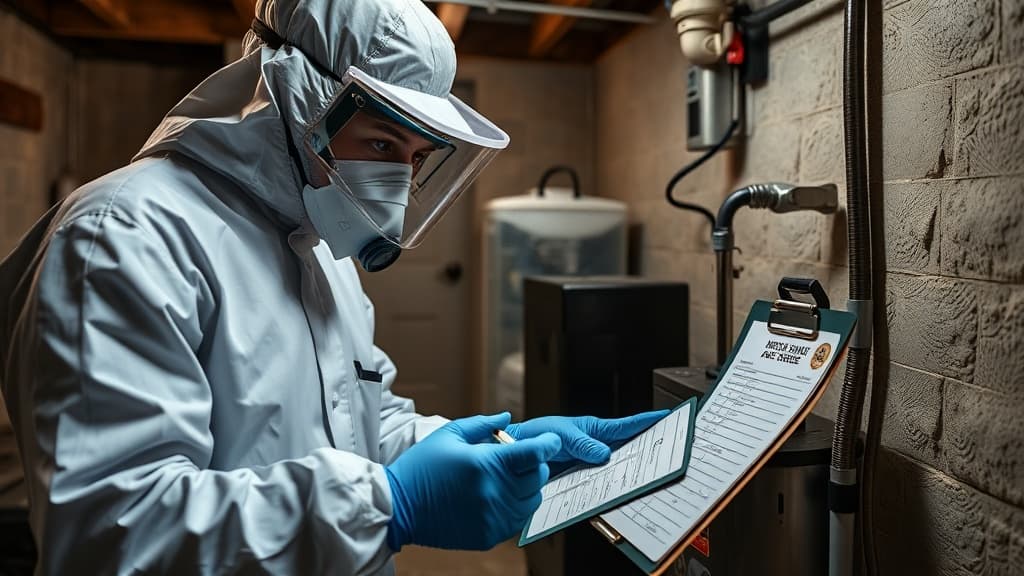
Testing & Inspection · NY · PA
Mold Testing & Assessment
Quantitative spore-trap air sampling, swab and bulk surface analysis, mycotoxin testing on request, plus moisture mapping and water-intrusion evaluation. Reports identify the moisture source, the affected reservoirs, and — when removal is warranted — a clear scope of work that can be handed to a qualified remediation contractor. In NY we do not perform removal ourselves.
Our Process · 5 steps
How mold testing & assessment actually runs.
- 01
Moisture mapping with thermal imaging (FLIR) and pin/pinless meters
- 02
Water intrusion evaluation — identify source of origin, not just the symptom
- 03
Spore-trap air sampling (indoor + exterior baseline) and surface/bulk sampling
- 04
Ventilation and humidity review — recommendations to prevent recurrence
- 05
Written report with photos and, when needed, scope of work for a qualified contractor
Common Questions
About this service
Do you perform mold removal?
What is moisture mapping?
What is a mycotoxin test?
Will mold testing find hidden mold inside walls?
When to test
Triggers + situations
Mold testing is appropriate in five specific scenarios — outside these, visual inspection alone is often sufficient. (1) Real estate transactions on properties with disclosed water history, basement moisture indicators, or buyer-stated symptom concerns. Pre-purchase mold testing produces lender-acceptable documentation for closing files and protects the buyer against post-closing surprise. (2) Post-water-damage assessment 14-21 days after an intrusion event. Standard air sampling 14+ days post-event verifies whether mold growth has been triggered; this is the diagnostically meaningful window for catching slow-growing species (Stachybotrys, Chaetomium). (3) Habitability or litigation matters where independent evidence with chain-of-custody is required. Court-format reports require AIHA-accredited lab analysis, photo documentation, and methodology that survives cross-examination. (4) Symptom-driven testing where building occupants report respiratory, neurological, or other symptoms that may correlate with environmental exposure. Important: testing identifies environmental conditions; the clinical interpretation belongs to the treating physician. (5) Post-remediation clearance testing after professional mold remediation. NYS Article 32 requires the clearance assessor be different from the remediator; we perform this work for remediation contractor partners. For pre-purchase situations without specific concerns or symptoms, mold testing is buyer-discretionary. Cost-benefit favors testing in pre-1970 housing with basement-heavy construction or in any property where the seller acknowledges water history.
Methodology
Sampling + lab analysis options
Three sampling methods serve different diagnostic purposes — choosing the right one matters more than maximizing sample count. **Spore-trap air sampling** is the workhorse method. We deploy Air-O-Cell cassettes for typically 5-10 minutes at multiple indoor locations plus one outdoor baseline. AIHA-EMLAP-accredited lab analysis returns species-level identification (Aspergillus/Penicillium combined, Cladosporium, Stachybotrys, Chaetomium, Basidiospores, Ascospores, Curvularia, Alternaria) with quantitative spore-per-cubic-meter results. This method captures airborne spore concentration at the moment of sampling. It will miss hidden cavity-wall growth that hasn't released spores into room air. **Surface tape-lift sampling** confirms visible-growth identification. Useful when air sampling shows elevated species and we need to confirm location and viability. Returns species-level identification of colony fragments. **Bulk sampling** (drywall, insulation, framing) gives the strongest single-source identification but is invasive and material-destructive. Useful for damaged-material confirmation before disposal. For most engagements we combine air sampling (3-4 indoor + 1 outdoor) with selective surface sampling at any visible-growth locations. Bulk sampling reserved for damaged-material assessments. **Lab options** for analysis: AIHA-EMLAP-accredited (the standard for environmental microbiology), with EMSL Analytical (Lab 102344, Cinnaminson NJ) and EMLab P&K (multiple locations) as the typical Northeast labs. Both meet ISO/IEC 17025 and AIHA technical requirements.
Regulatory framework
Standards + requirements
Mold testing operates within a fragmented regulatory environment that varies significantly by state and use case. **New York** has the most developed framework: NYS DOL Article 32 (effective January 2018) requires separate licensure for mold assessors (the testers) and mold remediation contractors (the removers), prohibits single-firm assessment-plus-remediation, and establishes training, examination, insurance, and bond requirements for each licensure category. We hold the NYS DOL Mold Assessor license. **Pennsylvania** has no state-level mold inspector or remediator licensure. Quality differentiation in PA depends on inspector credentials (NORMI, IICRC, AIHA), laboratory accreditation (AIHA-EMLAP), and chain-of-custody documentation. We apply NY-grade discipline to PA work. **Federal regulation** is limited. EPA publishes mold remediation guidance and indoor air quality recommendations but does not establish federal mold testing standards or exposure limits. ACGIH (American Conference of Governmental Industrial Hygienists) declines to publish numeric occupational exposure limits because individual sensitivity varies enormously. **IICRC S520** (mold remediation standard) and **IICRC S500** (water damage restoration) are industry consensus standards referenced in remediation contracts and litigation matters. **AIHA Field Guide** is the practitioner reference for sampling methodology.
Cost
What drives the price
Mold testing pricing in our NY + PA markets ranges $325-$525 for standard residential pre-purchase or symptom-investigation engagements. Price drivers: **Sample point count** — typical 3-5 indoor samples + 1 outdoor baseline = $325-$425. Adding additional sample points adds $35-$65 per sample. **Sample types** — air-only sampling is the base price. Adding surface tape-lifts costs $25-$45 per surface sample. Bulk samples cost $35-$65 per sample. **Lab turnaround** — standard 24-48 hour returns are included. Rush 4-8 hour turnaround on critical-timeline engagements adds $75-$150 per sample. **Report depth** — standard reports include findings, comparison to industry benchmarks, and scoped recommendations. Litigation-grade reports adding expert opinion, chain-of-custody affidavit, or deposition preparation are billed separately at expert-witness rates. **Mycotoxin or ERMI testing** (Hub 03 health-concern engagements) are separate analytical methods at $295-$485 per sample. CIH-reviewed engagements add $150-$250 for the CIH technical review. We quote firm at intake — no scope inflation post-sampling. If the engagement scope changes during fieldwork (visible growth requires additional sample location, suspected hidden source warrants bulk sampling), we discuss the scope expansion before adding samples and adjust pricing accordingly.
Common mistakes
What to avoid
Patterns we see in mold testing & assessment engagements — both at the buyer level and at the practitioner level. Each pairs the mistake with the right move.
Mistake
Testing too soon after a water event
Correction
Wait 14-21 days for diagnostically meaningful air-sampling. Earlier testing returns less useful data because slow-growing species haven't yet established detectable presence.
Mistake
Skipping the outdoor baseline sample
Correction
Indoor spore counts are meaningless without outdoor comparison. Always sample outdoors same-day for indoor-outdoor ratio analysis.
Mistake
Treating elevated Aspergillus/Penicillium as definitive evidence of indoor source
Correction
Asp/Pen is ubiquitous outdoors. Only elevated indoor-outdoor RATIO (typically 2-3x) suggests an indoor source.
Mistake
Relying on visual inspection alone for transaction-stage decisions
Correction
Hidden wall-cavity growth doesn't show on visual inspection. Air sampling + thermal imaging identifies what the eye misses.
Report contents
What you receive
The mold testing report we deliver includes: executive summary with pass/fail interpretation; sample location map with photographic documentation; lab results table with species identification + spore-per-cubic-meter concentration + indoor-outdoor ratio analysis; chain-of-custody documentation with photographed seals; methodology section citing AIHA Field Guide and lab accreditation; regulatory benchmark comparison; recommended next action (no remediation indicated, recommended remediation scope, or recommended additional testing); appendix with raw lab data and analyst signature. Reports are formatted for lender file submission, court evidence submission, or insurance claim submission depending on engagement type.
Related scope
When to bundle additional testing
Mold testing engagements frequently warrant adjacent service scoping. Buyers on pre-1989 properties should consider bundling asbestos testing — same site visit, combined report, $200-$300 savings vs. sequential engagements. Properties in EPA Radon Zone 1 (most of Western NY and Western PA) should consider bundling radon testing for a closing-cycle environmental panel. Tenant-habitability and litigation matters often benefit from VOC and indoor air quality panel expansion to document broader exposure. We recommend the bundle at intake based on the engagement's specifics.
Related Services
Often paired with mold testing & assessment.
Most engagements involve more than one analyte. These services are commonly scoped alongside mold testing & assessment.
Indoor Air Quality Testing
Comprehensive IAQ panels for residential and commercial spaces.
Asbestos Testing
NYS-certified asbestos surveys for homes, schools, and commercial buildings.
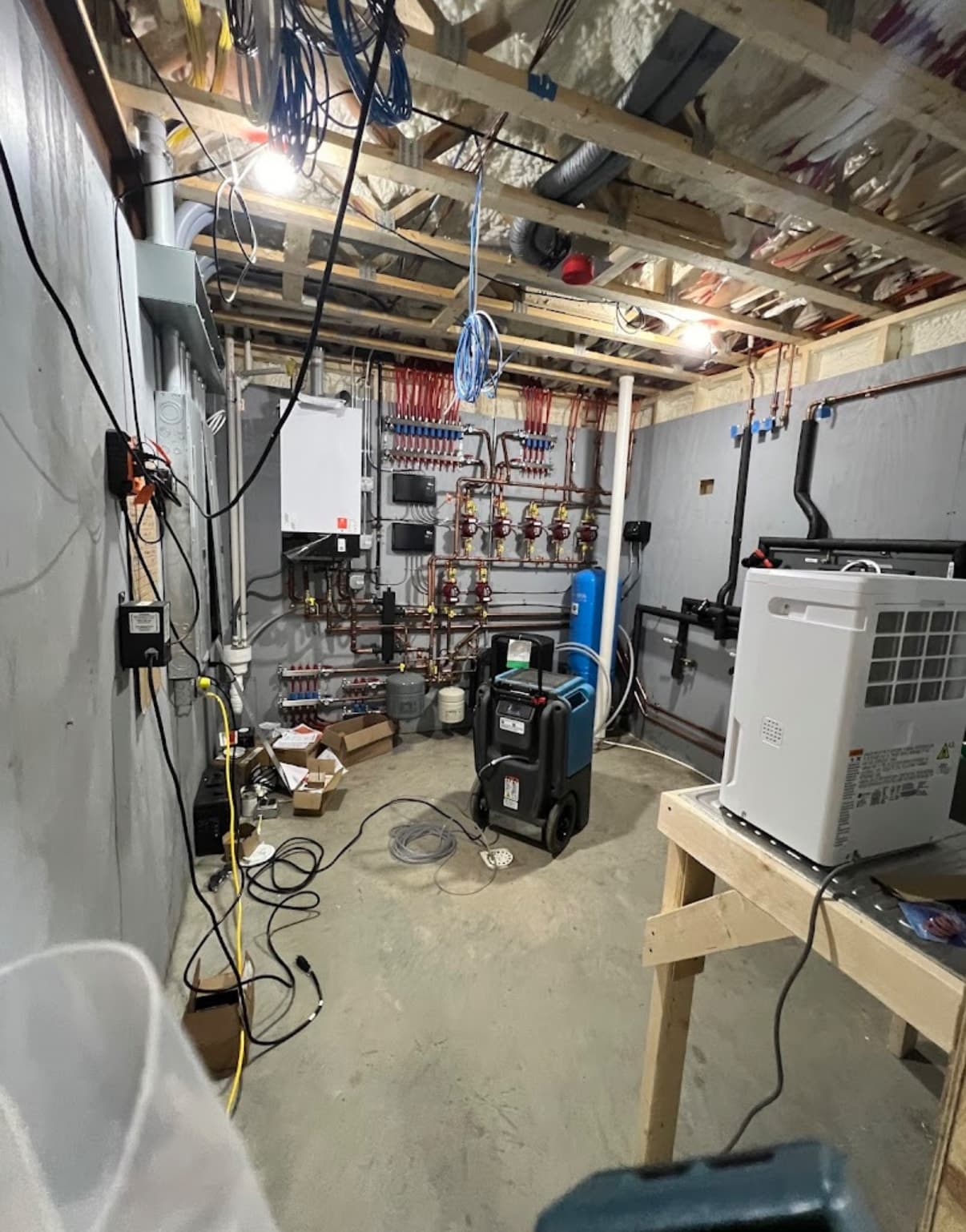
Water Damage Restoration
Structural drying, sanitization, and post-loss clearance testing.
Radon & VOC Testing
Short-term and long-term radon plus VOC speciation.
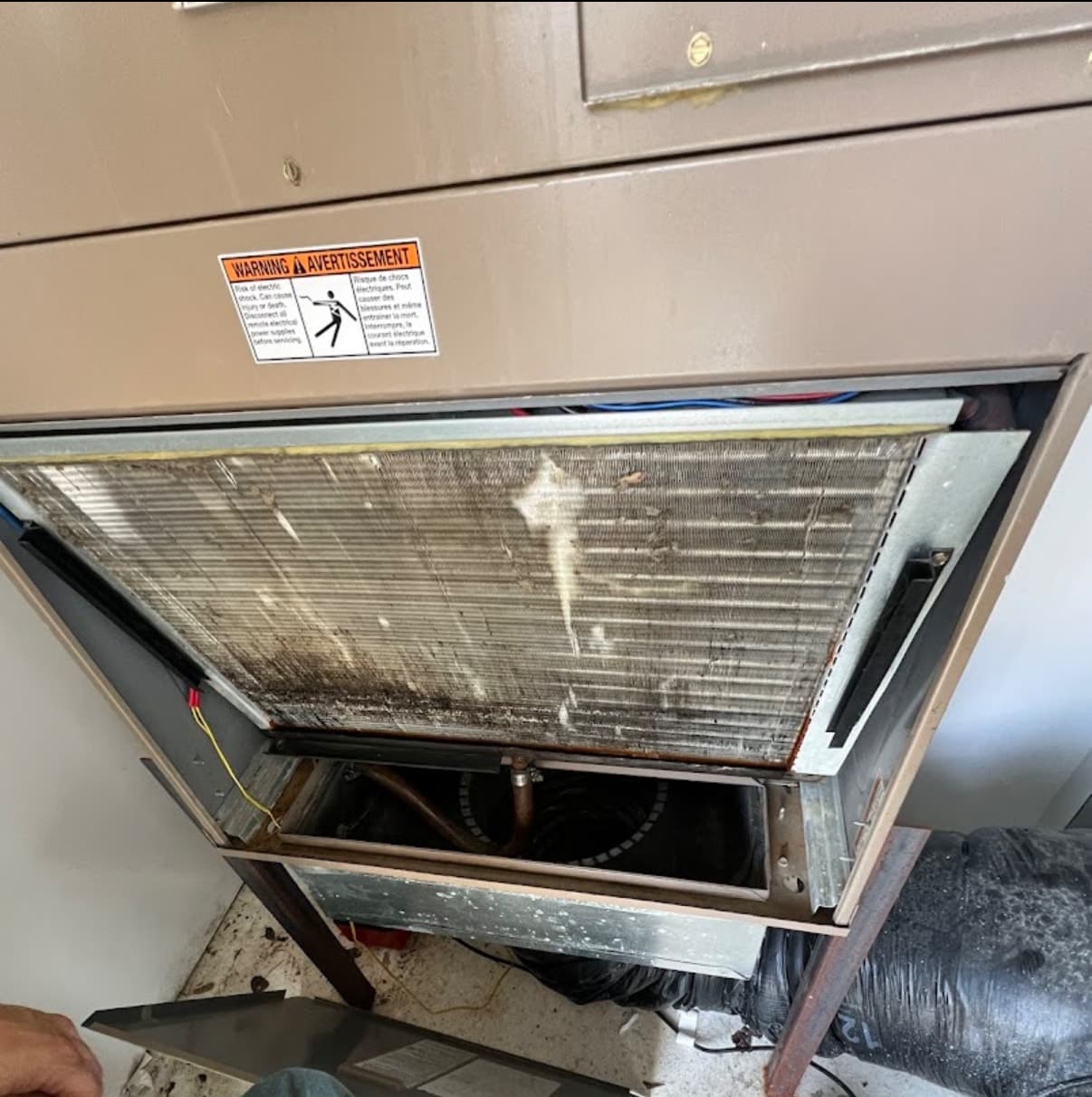
Air Duct Cleaning
NADCA-method duct cleaning with pre/post particle counts.
Media Blasting
Substrate-safe surface preparation and remediation.
Basement Waterproofing Assessment
Independent assessment of waterproofing strategy with bid-ready contractor scope.
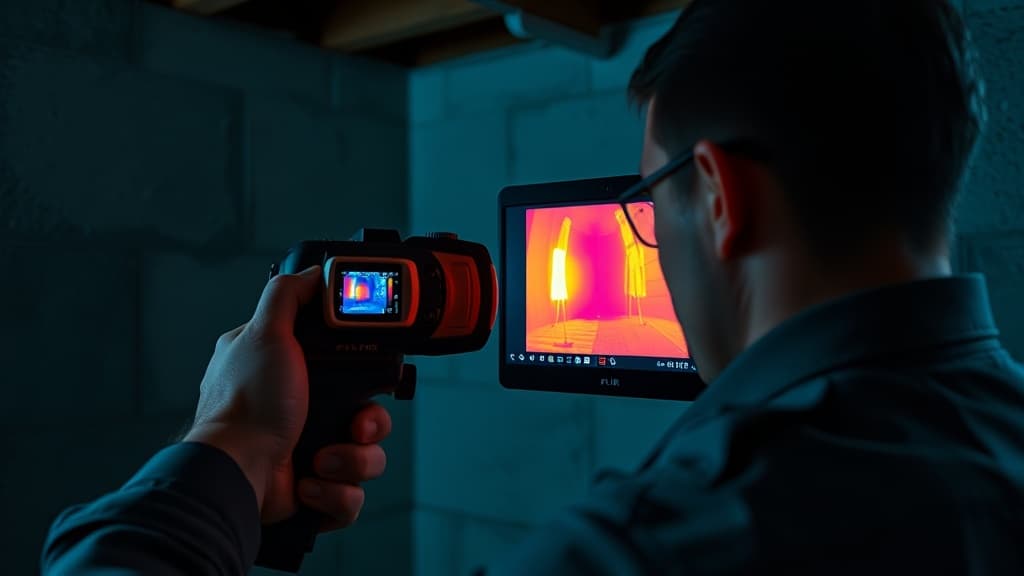
FLIR / Thermal Imaging
FLIR infrared inspection for moisture, insulation gaps, and hidden water intrusion.
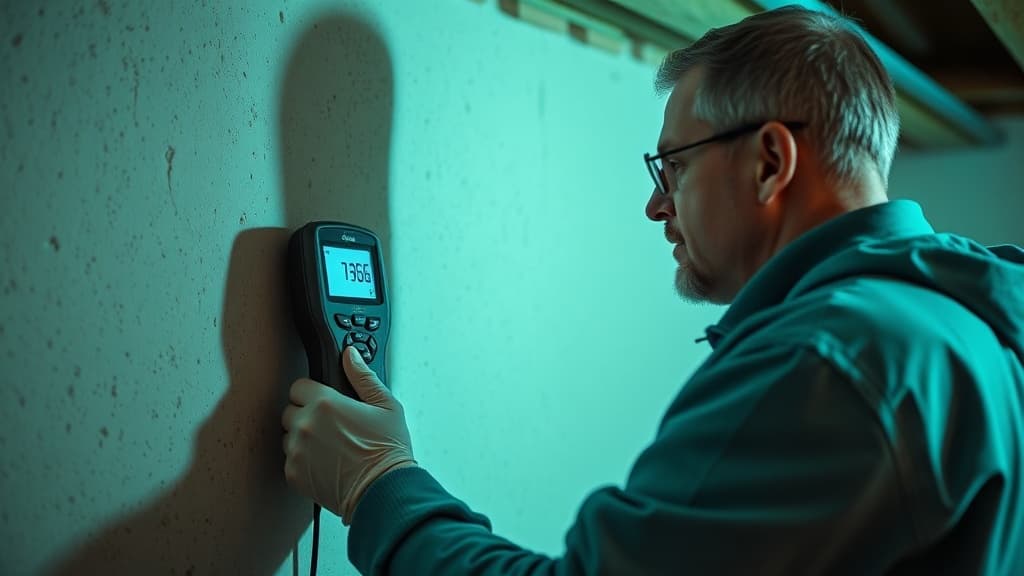
Moisture Mapping
Systematic mapping of moisture paths to identify the source of origin.
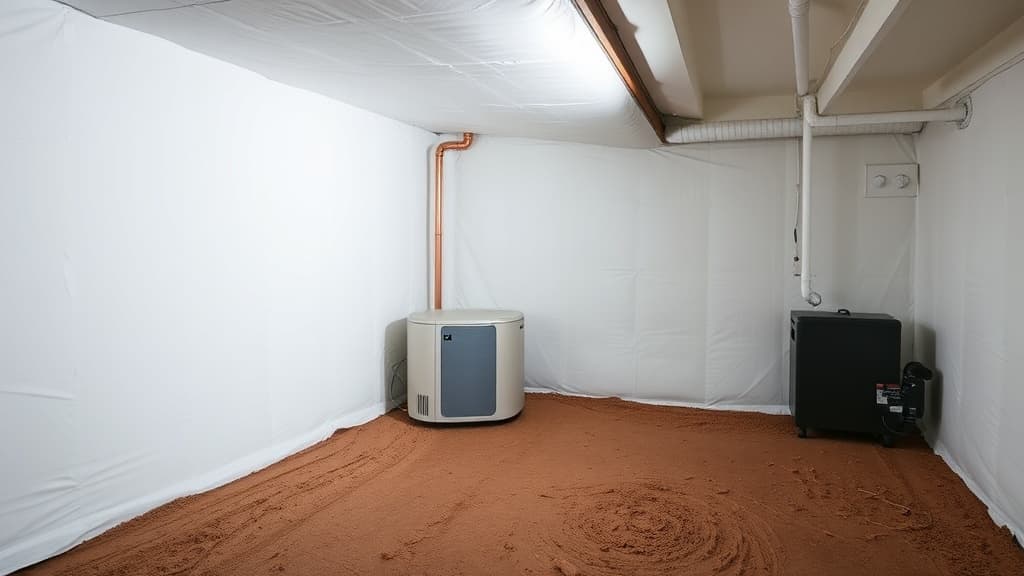
Crawlspace Encapsulation Assessment
Independent assessment and scope of work for crawlspace encapsulation projects.
Related reading
From our case files and guides
- Case studyBuffalo Ice-Dam Mold + Insurance RecoveryPost-event mold testing identifies Stachybotrys chartarum + Chaetomium globosum in an Elmwood Village basement 21 days after a January 2025 ice-dam water-intrusion event. Species-based growth timing analysis supports policyholder's coverage position.Read it
- GuideFHA / VA / Conventional Environmental Testing 2026Federal-backed home loans (FHA, VA) and conventional loans have different environmental testing requirements. This guide explains current 2026 requirements for radon, lead paint, mold, and asbestos across loan types.Read it
- Case studyOrchard Park 14-Day Mold VerificationOrchard Park NY homeowner experienced a Day-0 water-line break causing basement flooding. Drying contractor finished Day 5; homeowner wanted independent 14-day post-event verification that mold growth had not begun. Methodology + outcome.Read it
Schedule · 48hr appointment
Unsure about your air? Schedule a test.
48-hour appointment window. 24-hour lab turnaround. Licensed inspectors, unmarked vehicles, statewide coverage in NY and PA.