
Hub 03 · Symptomatic Occupants·Buffalo, NY
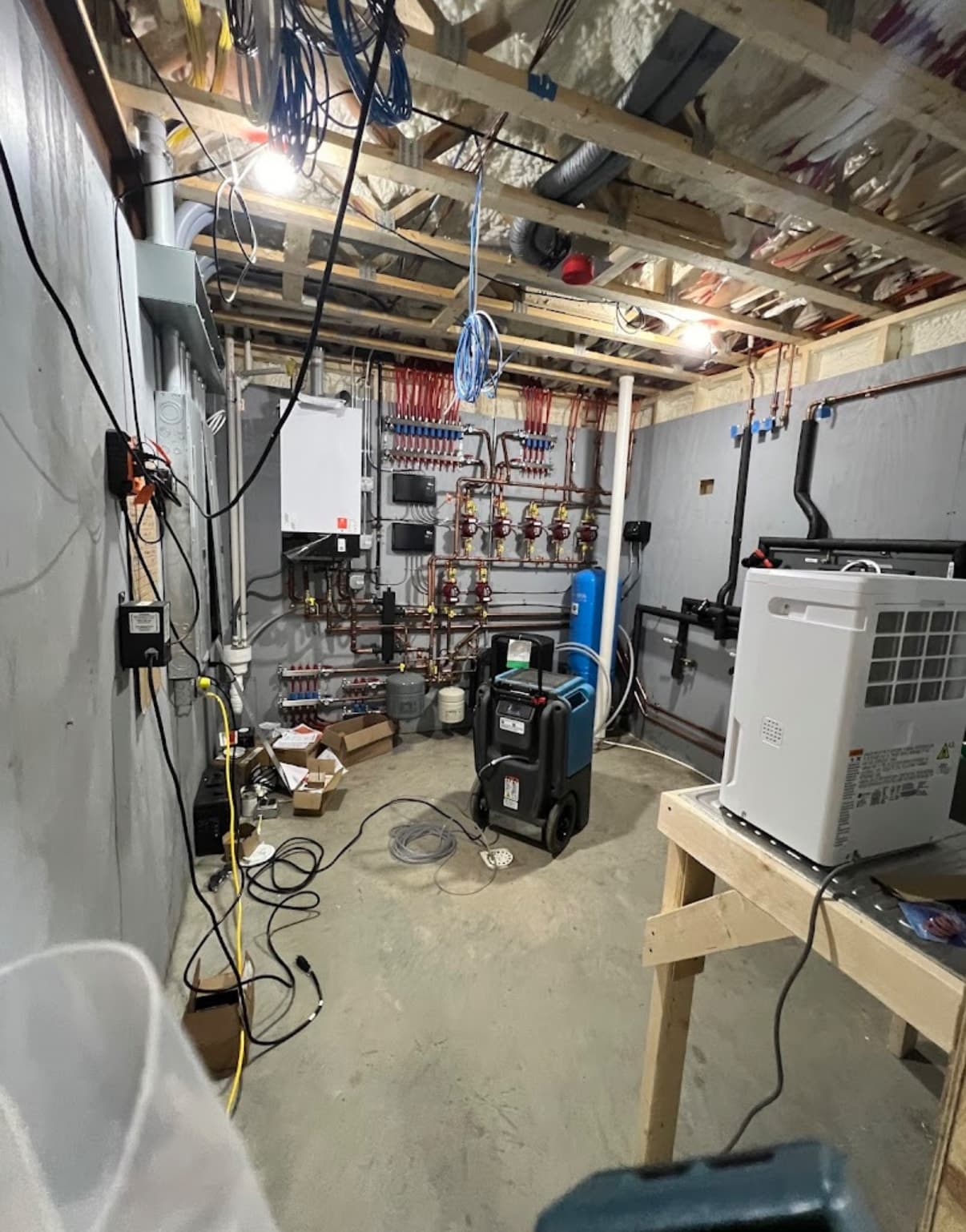
Post-water-damage mold testing in Buffalo, NY
For Buffalo homeowners who experienced water intrusion and need to know whether dormant moisture has triggered mold growth.
Specific to Buffalo
Post-water-damage mold testing is the diagnostic that determines whether a water-intrusion event has triggered mold growth. And where. Standard Buffalo / Western NY scenarios include: ice-dam interior wall water intrusion (common January-March); sump-pump failure basement flooding; pipe-burst events during freeze-thaw cycles; long-duration roof leaks discovered after the fact; and HVAC condensate-line failures producing hidden moisture in interior cavities. We typically test post-water-damage at three time points: 48-72 hours after initial water event (baseline + visible-mold check); 14-21 days after water event if drying was completed but no remediation performed (mold-growth verification); and post-remediation clearance testing if remediation was performed (confirms remediation completeness). Each test has different protocol, 48-hour testing focuses on Stachybotrys / Chaetomium presence, 14-day testing focuses on growth-rate species, clearance testing focuses on residual sub-detection levels. Buffalo-specific: ice-dam damage typically presents in interior wall cavities where standard air sampling will miss the hidden growth. We use thermal imaging + targeted bulk sampling on ice-dam matters rather than relying on spore-trap alone.
Who this is for
Common scenarios
- Homeowners after a water-intrusion event needing growth assessment
- Insurance policyholders documenting water-loss claim mold exposure
- Buyers evaluating a home with disclosed prior water damage
- Property managers responding to unit-level water-damage tenant complaints
- Contractors verifying drying completion before reconstruction begins
— — Why Environmental Air Solutions
The wedge
- →Thermal-imaging + bulk-sampling protocol for hidden wall-cavity growth
- →Time-window-specific testing protocol (48hr vs 14-day vs clearance)
- →Independent of remediation. No incentive to find work that isn't there
- →AIHA-accredited lab analysis with chain-of-custody
- →Ice-dam / lake-effect-water-damage Buffalo-specific experience
Regulatory references
- ANSI/IICRC S500, Water Damage Restoration Standard
- ANSI/IICRC S520, Mold Remediation Standard
Common questions
About this service
How soon after water damage should I test for mold?
Do you find hidden mold inside walls?
Will my insurance carrier accept post-water-damage mold testing?
Related in this hub
More from symptomatic occupants / sick building syndrome
Other services in the Symptomatic Occupants / Sick Building Syndrome hub. Most engagements combine more than one — we recommend the bundle at intake.
Mycotoxin testing in Buffalo, NY
For Buffalo homeowners experiencing unexplained symptoms after suspected mold exposure or water damage events.
CIRS-protocol mold testing
For patients in CIRS-protocol treatment programs needing environment-side testing aligned with Shoemaker / Brewer protocols.
VOC indoor air quality testing in Buffalo, NY
For Buffalo occupants experiencing chemical-odor exposure, headaches, or symptoms from new-construction off-gassing or unknown VOC sources.
Related reading
From our case files and guides
- Case studyOrchard Park 14-Day Mold VerificationOrchard Park NY homeowner experienced a Day-0 water-line break causing basement flooding. Drying contractor finished Day 5; homeowner wanted independent 14-day post-event verification that mold growth had not begun. Methodology + outcome.Read it
- GuideLake-Effect Humidity Belt Mold Risk by SeasonWestern NY and Erie County PA sit in Lake Erie's moisture belt. One of the more challenging indoor-moisture environments in the Northeast. This guide explains how mold risk varies by season + property type and what testing scheduling makes sense.Read it
- Case studyWestern NY School District IAQ InvestigationA Western NY school district where teachers in 3 newly-renovated classrooms reported persistent headaches + chemical odors 6 weeks post-renovation completion. IAQ panel testing identifies elevated VOC + formaldehyde from new flooring + cabinetry off-gassing.Read it
Schedule · 48hr appointment
Unsure about your air? Schedule a test.
48-hour appointment window. 24-hour lab turnaround. Licensed inspectors, unmarked vehicles, statewide coverage in NY and PA.