§
Context (anonymized)
A Pittsburgh-area patient in active CIRS-protocol treatment with a Shoemaker-trained clinician had completed initial mold remediation 6 months prior at a previous residence and relocated to a current Squirrel Hill apartment. Despite the remediation and relocation, the patient reported persistent symptoms (cognitive fog, fatigue, neuropathic pain) consistent with the patient's prior CIRS pattern. The treating clinician requested ERMI + HERTSMI-2 environmental dust analysis on the current apartment as part of differential analysis.
§
Methodology
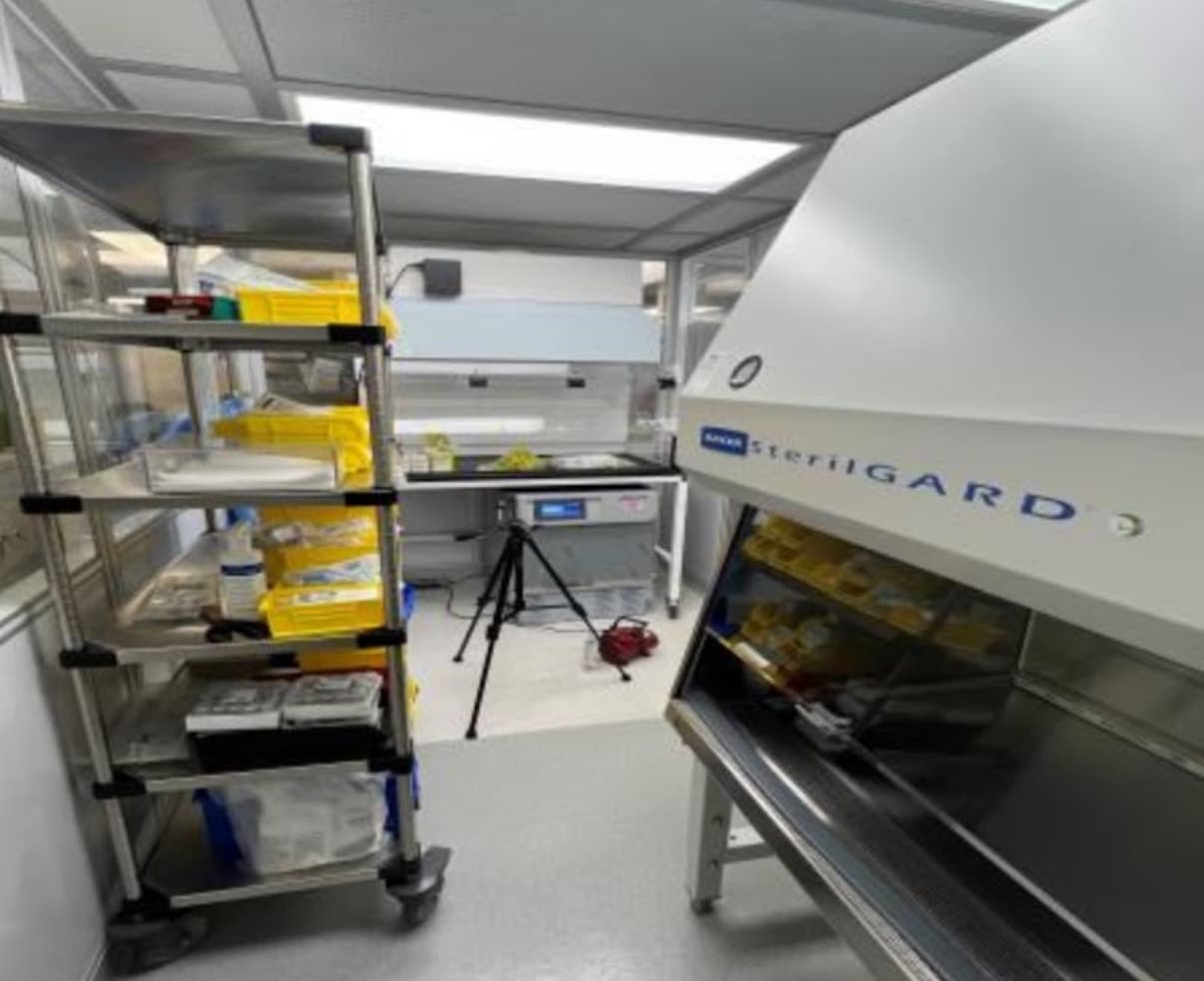
Per the Shoemaker protocol for ERMI / HERTSMI-2 dust sampling: settled dust collected from 4 locations (bedroom upper surface, living room horizontal surface, basement perimeter, HVAC supply register) using a calibrated dust-collection cassette over 14 days of normal occupancy. Samples shipped to EMSL Analytical for DNA-based quantitative analysis of 36 mold species per ERMI methodology + HERTSMI-2 scoring (5-species validated subset). Field interview with patient on water history of the apartment.
§
Lab findings
ERMI score for the apartment: 7.4 (elevated, Shoemaker reference population indicates 0-2 for CIRS-acceptable environments). HERTSMI-2 score: 13 (significantly elevated, Shoemaker reference indicates <11 for CIRS-acceptable environments). Species pattern: elevated Stachybotrys chartarum + Aspergillus penicillioides + Aspergillus versicolor. Three of the five CIRS-relevant species at concentrations consistent with hidden long-term water damage.
§
Source investigation
Follow-up site visit identified the hidden moisture source: an apartment-building HVAC condensate-line failure on a floor above the patient's unit, with sustained leakage that had migrated through the wall cavity into the patient's bedroom and living room areas over 6+ months prior to the patient moving in. The building management had no record of the upstairs condensate failure or any prior remediation work. The patient had moved in 4 months prior to our testing.
§
Clinical handoff
Report delivered to the patient + (with the patient's permission) to the treating CIRS-protocol clinician. We do not provide medical interpretation. That was the clinician's role. Our environmental finding supported the clinical assessment that the current apartment was a CIRS-incompatible environment for this patient, contributing to symptom persistence despite prior remediation.